

36th Anniversary Celebrations of the GOA NSW

GOA wins the inaugural GoAraia Cricket Cup

GOA WHIST AND BINGO 2013
GOA KARAOKE AND FISH CURRY (KFC)
NIGHT


View the photos of the
target=”_blank”> GOA Dinner Dance at Marconi Club in Sydney by clicking here
MANGO Cup 2012
Congratulations to the Goan Team which once again finished as runners up at the MANGO Cup 2012


GOA NSW SPORTS CARNIVAL 16th September 2012
GOA NSW SPORTS CARNIVAL in Sydney video
GOA NSW SPORTS CARNIVAL in Sydney video
Click here >>> to see the WORLD GOA DAY 2012 Report in the Indian Link
WORLD GOA DAY 2012 in Sydney
WORLD GOA DAY 2012 in Sydney video
Click here >>> to download the WORLD GOA DAY 2012 Report
Over 400 members and guests had a fabulous time at World Goa Day. We thank you all for your strong support
CORAL (35th) ANNIVERSARY DINNER DANCE
Click here >>> to download the Coral (35th) Anniversary Dinner Dance Report
GOA 35th Anniversary Celebrations video
Video Producer and Director – Rennie Colaco and Colin Pereira
Over 330 members and guests had a fabulous evening. We thank you all for your strong support
Date: Sunday, 10th June 2012
Please arrive from 6.00 pm – grab a complimentary drink and check in early – Starting Time sharp at:6.30 pm to 12.30 am
Please note: Its the Sunday before the Queen’s Birthday long weekend
Venue: Grand Royal Function Centre
51-61 South Street Granville NSW 2142.
2 minutes walk from Granville Station
Band: The Breakaways
Guest appearance: Celebrated Goan Artist – Jose Fernandes – Engelbert of Bombay and Goan Elvis of Australia
Performing popular Konkani-Portuguese songs, Mandos and Masala dance sessions
3 course dinner
FREE Scotch, Beer, Wine and Soft Drinks (limited variety) with the compliments of the GOA NSW Inc.!!!

GOA NSW Youth Bowling and Lazer Tag Night
It’s been a long time coming, but the GOA NSW officially has a youth group. We are hoping to build a strong social network between the young Goans in New South Wales. We have established a Facebook Fan Page titled ‘GOA NSW Youth.’ It’s easy enough to connect with the youth group via Facebook, just follow these simple steps:
• Log on to your Facebook account
• Type into your web browser – www.facebook.com/goanswyouth
• Click on the ‘Like’ button
• And you’re in
• Share and invite your friends to join this page too.
On Saturday the 28th April, we had our first official ‘event’ which was a Bowling/Laser Tag Night, in the city. I have to admit, I was a little apprehensive in the lead up to the day. I wasn’t sure anyone would be interested in the youth group venture. However, on the day itself I needn’t have worried. We had an excellent turnout, for our first ‘event’ there were 18 young people who attended. We had youth attending from various parts of NSW; such as Rene Monteiro coming from the Gosford area and Clinton Colaco from the Gold Coast.
We met up at Kingpin Bowling in Darling Harbour. There was opportunity to play virtual golf, laser tag, pool, arcade games and of course bowling. There were different skill levels among the group; from the more accurate, high scoring like Dean Do Rosario, to the gutter ball magnets like Kirstin D’Souza and Chloe Do Rosario (much love to both, such good sports and excellent dancers too ). Nonetheless we were there to have fun, and that’s exactly what we did.
Many of us had not seen each other for a very long time. So it was interesting to catch up and see what everyone was doing now. The great thing about this outing was that we were able to relax after a stressful week and chill back with old friends and new. From what I observed, we had to be the most enthusiastic group at Kingpin Bowling. The support and encouragement that was displayed, was absolutely contagious.
It was exciting when those rare strikes occurred but I have to say, people were just as enthused when they threw a gutter ball.
The night continued after we had finished the bowling and pool games. We went downstairs to the food court and got some dinner. While we were sitting down to eat, we had several different conversations going on, such as: the latest movies, guessing how old people at the table were (this was quite entertaining, especially for Me. Apparently there’s no need for any anti-aging creams, just yet) and also possible ideas for future events. Those who attended, provided really good feedback about the night. The general consensus was that they were really happy to have an opportunity for the youth to hang out, in a relaxed atmosphere. There were some requests for future events to be located further in the Western suburbs, which will be taken into consideration for the next ‘event’. There was also a lot of conversation about the youth getting together during the GOA’s Coral Dance, which we’re all looking forward to attending. More updates about future ‘events’ or catch ups will be posted up on the Facebook Fan Page, so please check it out regularly. We would love for the youth members on our page to post comments and thoughts up on the Fan Page wall. We will be able to cater ‘events’ to suit the immediate needs of our members. However, the most important thing we gain from active participation on the Fan Page, is that the youth remain in regular contact with each other. Shelley D’Souza GOA NSW Youth Leader
GOA Community Picnic and Golf Putting Competition
Date: Sunday 15th April 2012
 View the photos of theGOA Picnic and Putting Competition 2012 by clicking hereG.O.A. NSW hosted its 3rd annual golf putting competition on 15th April 2012, on a beautiful Sydney autumn day at Barnwell Golf Club. The concept of the putting competition is not only to entice non golfers, both male and female into the game of golf but also to forge the social interaction between the members and introducing new people to the camaraderie shared in the G.O.A. There were a total of 32 contenders for the four categories in the competition, played over four holes on the practice putting green. With cheers of encouragement from the gallery, the best putters were: Junior Girls winner, one of our newest member’s daughter, 8 year old Aswani Devji, Junior Boys won by our young upcoming golfer Dean Athaide, the ladies winner, after a play-off, was Renee Costello, and the men’s category winner, with amazing talent, Duncan Antao. The event was followed with the picnic and prize giving at the Bay View Park at Canada Bay. The idea of developing this event into a larger sporting day was born including sports such as, beach volley ball, football and cricket. As the G.O.A. NSW president, Mr Tony Colaco, said in his presentation ‘’We need to get our children more involved with our G.O.A. social functions at a younger age so that they carry on the legacy of the G.O.A. in the generations to come”.
BUMPER WHIST AND BINGO
Record crowd attended – Lots of fun – Happy Days!!!
Date: Sunday, 12th February 2012
 View the photos of theGOA NSW Bumper Whist and Bingo February 2012 by clicking here
24th Golf Presentation luncheon(Held on 22nd January 2012)
 The 2011 Golf Annual Day Luncheon was held on Sunday 22nd January 2012 at Mother India Restaurant, Middle Dural, NSW to award the winners of the 2011 Golf season. This was the 24th year of operation of the Golf wing. The event was well attended by all the Golfers, GOA members and their wives and families. Dr Yadu Singh, pre-eminent cardiologist form Sydney and President of the Council of Indian Australians was the Guest of honor. Mr. Subba Rao Verigonda, President of the Telugu Association of Sydney and Executive committee member of the Council of Indian Australians was a special invitee to the function. All members and guests converged on the venue at Mother India at 12.00noon and after the customary Meet & Greet and exchange of pleasantries; G.O.A. Sports Director Roy Do Rosario accorded a warm welcome to the audience. In his Welcome address Roy narrated various sports initiatives of GOA-NSW in the past and though the organization of other sporting events was inconsistent, the Golf wing had consistently maintained the tradition and organized the Golf league every year. 2011 Golf Captain Alwyn Henriques in his address mentioned it was a pleasure to serve the Golf wing as Captain for 3 consecutive years. He stated that GOA-NSW is the only Indian association in Australia to run a Golf League for its members and it is a remarkable achievement for GOA-Golf Wing to have the golf league for the 24th year in succession. He also drew the connection of Goans with Golf as they moved out of Goa to Africa, Europe, Americas & Australia and how that was instrumental in starting the Golf league in Sydney in 1987 by the founding members of GOA-Golf. Three of the founding members Tony Vaz, Dr George Dias & Reg Mathais were present at the luncheon and he thanked them and all the other founding members for their initiative. Alwyn said that GOA Golf wing will continue to serve as a platform to focus on bonding the Goan golfing community, creating an awareness for this grand sport, organizing golfing events that engage the families such as Putting Comp cum Picnic and also encourage new Golfers from within the Goan community to join the Golf League. He mentioned in 2011 season, 7 new golfers participated in the League including young and budding Goan Golf talent Patrick Ferris and Lina D’Silva who became the first lady to play in the history of the Golf League. Dr Yadu Singh our Guest of Honor gave away the Following prizes to the winners. 1. Nett Champion: Carl D’Silva, -6@woodville, Par@Camden, -4@Dunhaved, -6@Windsor, (-16) 2. Nett Runner-up: Dr George Dias, +1@woodville, -9@Dunhaved, Par@Richmond, +1@Penrith, (-7) 3. Gross Champion:Carl D’Silva, +8@woodville, +12@camden, +8@Dunhaved, +6@windsor,(+34) 4. Gross Runner-up: Alwyn Henriques, +17@Dunhaved, +16@Penrith, +16@Windsor, +16@Liverpool, (+65) 5. Stableford Champion: Carl D’Silva, 42pts@Woodville, 37pts@Camden,40pts@Dunhaved, 38pts@windsor, (157pts) 6. Eclectic Champion: Dr George Dias, Nett score 48 7. Dynaflow Pairs Competition (sponsored by Dynaflow, kind courtesy Roy Do Rosario) Winners: Patrick Ferris & Lina D’Silva, 62 points. 8. Dynaflow Pairs Competition (sponsored by Dynaflow, kind courtesy Roy Do Rosario) Runners-Up: Cajetan Miranda & Dr. George Dias, 55 points. 9. Golfer of The Year: Carl D’Silva, 64pts 10. Bradman Prize (sponsored by Bruno D’Souza): John Fernandes. (+134) The Hero for 2011 season was Carl D’Silva who successfully defended his Gross Championship Title and also achieved a rare feat of winning the Gross & Nett Championship Title in the same season. Carl also was also awarded the Golfer of the Year for the second year running. G.O.A. President Tony Colaco in his address introduced our Guest of Honor Dr Yadu Singh and our special Invitee Subba Rao Varigonda and talked about their involvement with the Council of Indian Australians. He also mentioned that the GOA-NSW Golf wing is well known to all the Goan associations worldwide and has done G.O.A-NSW proud with its Annual golf League. He also thanked the founders of the Golf wing for their initiative 24 years back. Dr Yadu Singh in his address recalled his memorable association with various Goans from Sydney and said that Goan Community is known world over as a fun loving community, trustworthy and reliable. He showered praise for Tony Colaco’s commitment to GOA-NSW. He congratulated the winners and the golf wing for completing 24 years. He expressed his desire to have a Golf Day for all the Golfers of all the Indian Community and appealed to the GOA Golf wing to take the initiative in making it a reality. Subba Rao Varigonda also addressed the audience and congratulated Tony Colaco and the Golf wing for organizing the event. He said he was impressed with Sandra Antao’s Photo Album collection going back to 1990 Golf annual day. He expressed his support for the Golf day for all Indian golfers and said he will work along with GOA Golf wing to ensure it is organized this year at one of the well known Golf Courses in Sydney. On behalf of the Council of India Australians he conducted a Lucky Raffle for Tickets for two to the CIA’s Australia Day dinner function on Sunday 29th Jan 2012. Lina D’silva picked the lucky Ticket and picked our 2011 Captain Alwyn Henriques as the Lucky winner. Carl D’Silva was installed as 2012 Captain by Sports Director Roy Do Rosario and Outgoing captain Alwyn Henriques. Roy thanked everyone for gracing the event and supporting the Golf wing. After a delicious Lunch catered by Mother India, the group posed for a Photography session which drew the curtains for yet another memorable Golf Annual day Luncheon. View the photos of theGOA Golf Presentation Luncheon 2012 by clicking here
35TH ST FRANCIS XAVIER’S FEAST 2011 (Held on 11th December 2011)
 The Goan Community in Sydney celebrated the Feast of St Francis Xavier in Sydney. The Mass Celebrated by Most Reverend Bishop Terrence Brady followed by a tradition Goan entertainment.View the pictures of the2011 St Francis Xaviers Feast by clicking hereView the video of theKonkani Mandos sung at St Francis Xaviers Feast by clicking hereView the video of theKonkani Mandos sung at St Francis Xaviers Feast by clicking hereView the video of theKonkani Mandos sung at St Francis Xaviers Feast by clicking hereView the video of theKonkani hymns sung at St Francis Xaviers Feast by clicking here
35TH CHRISTMAS GALA DANCE
Held on Saturday, 17th December 2011
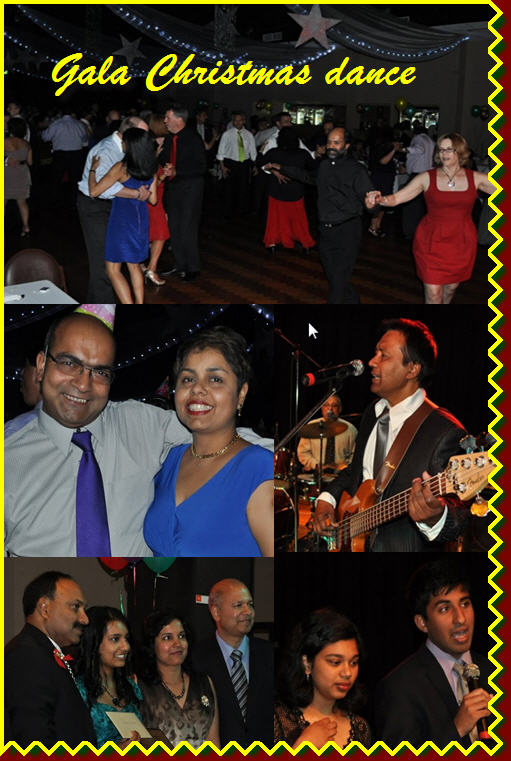 Click here to read the 2011 Christmas dance report by Rennie ColacoThe Goan Community in Sydney celebrated the 35th Gala Christmas Dance in Sydney.View the pictures of the2011 Gala Christmas Dance by clicking hereSee more photos of the 35th GOA NSW Gala Christmas Dance in Sydney.View the pictures of the2011 Gala Christmas Dance by clicking here
